
No products in the cart.


Introduction
Security cameras used to do one thing: record everything and hope you had time to scroll back through hours of footage after something went wrong. In 2026, that has completely changed. The biggest shift in the security industry this year isn’t sharper video — it’s cameras that actually understand what they’re looking at.
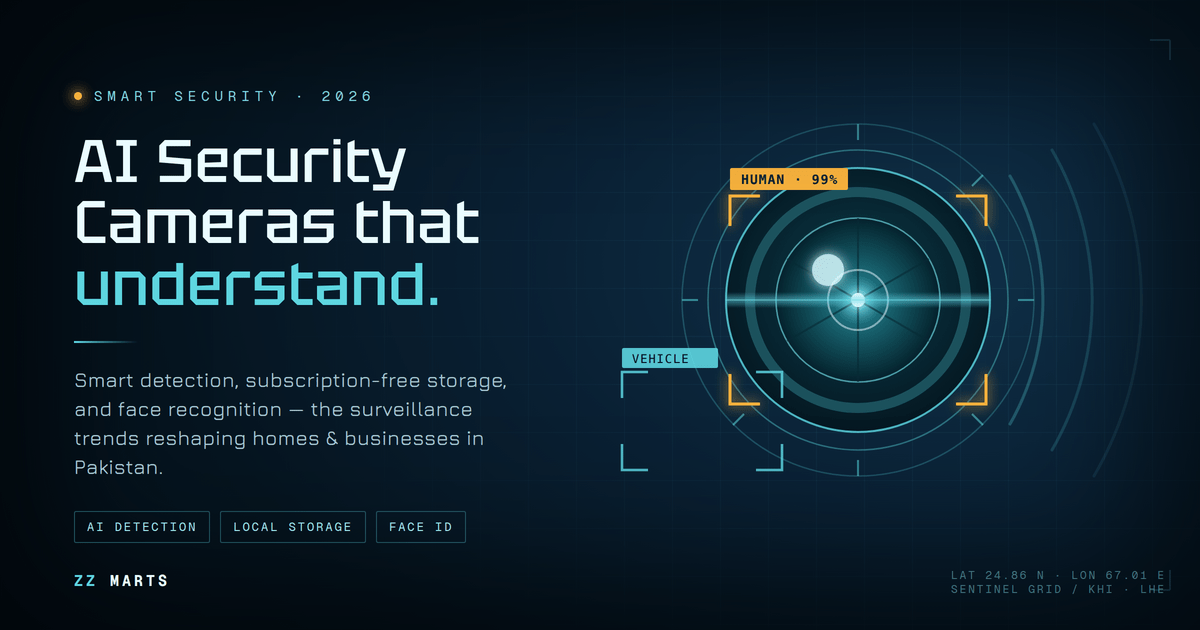
AI security cameras can now tell the difference between a person, a vehicle, and a stray cat, ignore the wind moving a tree, and alert you the instant someone lingers at your gate. For homeowners and business owners across Pakistan — where a single guard can’t watch every corner and where reliable, low-cost security matters more than ever — this is a genuine upgrade, not just a marketing buzzword.
In this guide, we’ll break down what AI security cameras actually do, the smart surveillance trends defining 2026, and how to choose the right setup for your home, shop, or warehouse. If you’re ready to explore options now, browse our range of CCTV cameras and surveillance systems at ZZ Marts.
What Are AI Security Cameras?
An AI security camera is a surveillance camera with built-in intelligence that analyses video in real time instead of just recording it. Traditional cameras trigger an alert on any motion — a passing car, rain, a shadow. AI cameras use on-device processing to classify what caused the motion and only notify you when it matters.
In practical terms, that means the camera can recognise a human shape, read a number plate, follow a moving subject, or flag someone entering a restricted area — and skip the dozens of false alarms that make people switch their notifications off entirely. The “intelligence” runs on a chip inside the camera or on the recorder, so it works even when your internet is slow or down.
The Smart Surveillance Trends Defining 2026
Several trends have come together this year to make smart security both more capable and more affordable.
1. Smart AI detection (people, vehicles & zones). The headline feature. Modern cameras separate real threats from background motion, detect loitering, and let you draw “zones” on the screen so you’re only alerted when someone crosses a line that matters — your driveway, your till area, your loading bay.
2. Subscription-free, local storage. For years, the trend was pushing everything to paid cloud plans. In 2026 the momentum has reversed: buyers want their footage stored locally on an SD card, NVR, or DVR with no monthly fee. For Pakistani businesses watching costs, subscription-free recording is a major reason AI cameras are now worth it.
3. Face recognition at the door. Access control and cameras are merging. Smart door locks with facial recognition, fingerprint, PIN, and RFID now let the right people in automatically and log everyone who comes and goes — no keys, no shared passwords.
4. Wireless and WiFi-first installs. Homeowners and small shops increasingly want cameras that go up in minutes without running cable through walls. WiFi security cameras paired with a phone app have made DIY surveillance genuinely practical.
5. Whole-system integration. The smartest setups no longer treat the camera as a lone device. It works alongside burglar and fire alarm systems and PIR motion sensors so that a detection can trigger a siren, a light, and a phone alert all at once.
Why AI Security Cameras Make Sense in Pakistan
The features above aren’t just nice to have — they solve problems that are specific to how homes and businesses here actually operate.
Fewer false alarms means staff and homeowners stop ignoring notifications, so real events get noticed. Local, subscription-free storage keeps running costs down and doesn’t depend on a fast, always-on internet connection. Smart detection lets one person effectively monitor a shop, a warehouse, and a home from a single phone. And because these cameras record and analyse on-site, they keep working during an internet outage — the footage is still there when you need it.
For shops in busy markets, warehouses on city outskirts, and family homes alike, the result is security that’s more useful and less expensive to run than the “record-everything” systems of a few years ago.
How to Choose the Right AI Security Setup
The right system depends on what you’re protecting. Here’s a simple way to think about it.
For a home or apartment: A couple of AI-enabled WiFi cameras covering the main gate and entrances, plus a smart door lock, is usually enough. Look for person detection and local SD-card recording so you avoid monthly fees.
For a shop or small business: Cover the entrance, the till, and any back storeroom. Combine cameras with a burglar alarm system and a panic button so staff can raise an alert instantly, and choose a recorder (DVR/NVR) with enough storage for at least a week or two of footage.
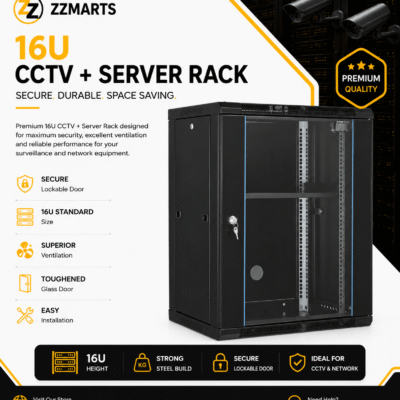
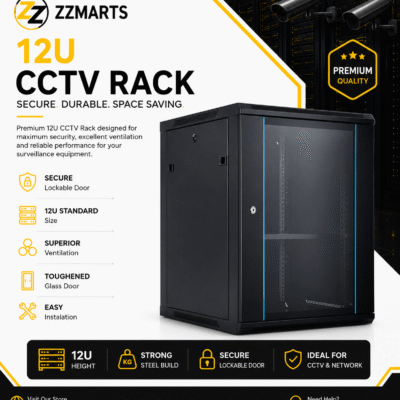
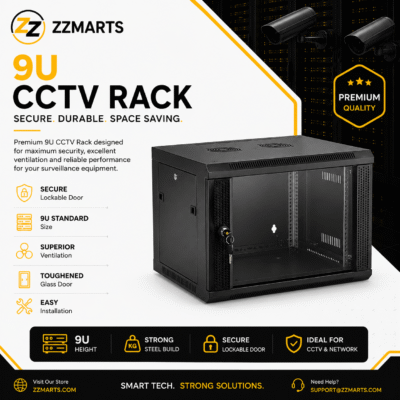
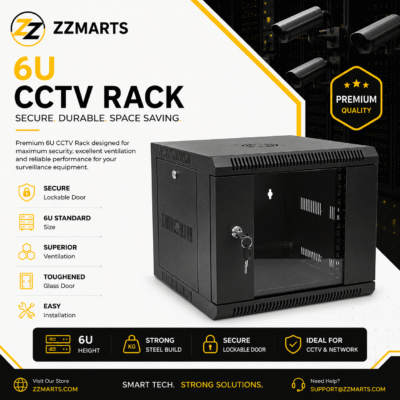
For a warehouse or larger property: You’ll want multiple cameras with vehicle and zone detection, motion sensors covering blind spots, and a proper network/server rack to keep the recorder and networking gear organised, cool, and secure.
Whatever the size of the property, prioritise three things: smart (AI) detection to cut false alarms, local storage to avoid ongoing costs, and integration so your cameras, alarms, and locks work as one system rather than separate gadgets.
Quick Comparison: Traditional vs AI Security Cameras
| Feature | Traditional Camera | AI Security Camera |
|---|---|---|
| Motion alerts | Any movement (many false alarms) | Person / vehicle / zone only |
| Storage | Cloud or local | Local, often subscription-free |
| Face recognition | No | Yes (on supported systems) |
| Works during internet outage | Records only | Records and analyses on-device |
| Best for | Basic recording | Active, alert-driven security |
Frequently Asked Questions
Do AI security cameras need the internet to work? No. The AI detection runs on the camera or recorder itself, so it keeps identifying people and events even when your internet is down. You only need a connection to get remote alerts and view footage from your phone.
Are AI cameras subscription-free? Many are. If the camera records to a local SD card, NVR, or DVR, you can store and review footage without any monthly fee. Always check whether smart features are on-device or locked behind a paid plan before buying.
Can a face-recognition door lock replace keys completely? For most homes and offices, yes. Modern smart locks combine face recognition with fingerprint, PIN, and RFID card options, so there’s always a backup way in — and every entry is logged.
How many cameras do I need? A small home often needs just 2–4 cameras covering entry points; a shop needs coverage of the entrance, till, and storeroom; warehouses need multiple cameras plus motion sensors for blind spots. Cover the routes an intruder must cross rather than trying to see every square metre.
Can I add AI cameras to my existing alarm system? Usually, yes. AI cameras integrate well with modern burglar alarm systems, sirens, and motion sensors, so a detection can trigger a siren and a phone alert together. ZZ Marts stocks the cameras, alarms, sensors, and locks to build one connected system.
ZZ Marts supplies AI-ready CCTV cameras, WiFi security cameras, smart door locks, alarm systems, and motion sensors in Karachi and Lahore. Visit our Saddar Regal (Karachi) or Mashallah Center (Lahore) stores, or shop online, to put together the right setup for your home or business.
Conclusion
The story of security in 2026 is intelligence, not just resolution. AI security cameras cut through false alarms, keep your footage local and free of monthly fees, and tie into locks and alarms to form a single, responsive system. For homes, shops, and warehouses across Pakistan, that means real protection that’s easier to manage and cheaper to run.
Start with the entry points that matter most, choose cameras with smart detection and local storage, and build outward from there. Protect what matters most with reliable security technology from zzmarts.com — and enjoy genuine peace of mind every day.