Description
The DH-32 Wired Door Contact (NC) is a magnetic security sensor designed for alarm systems to detect the opening and closing of doors or windows.
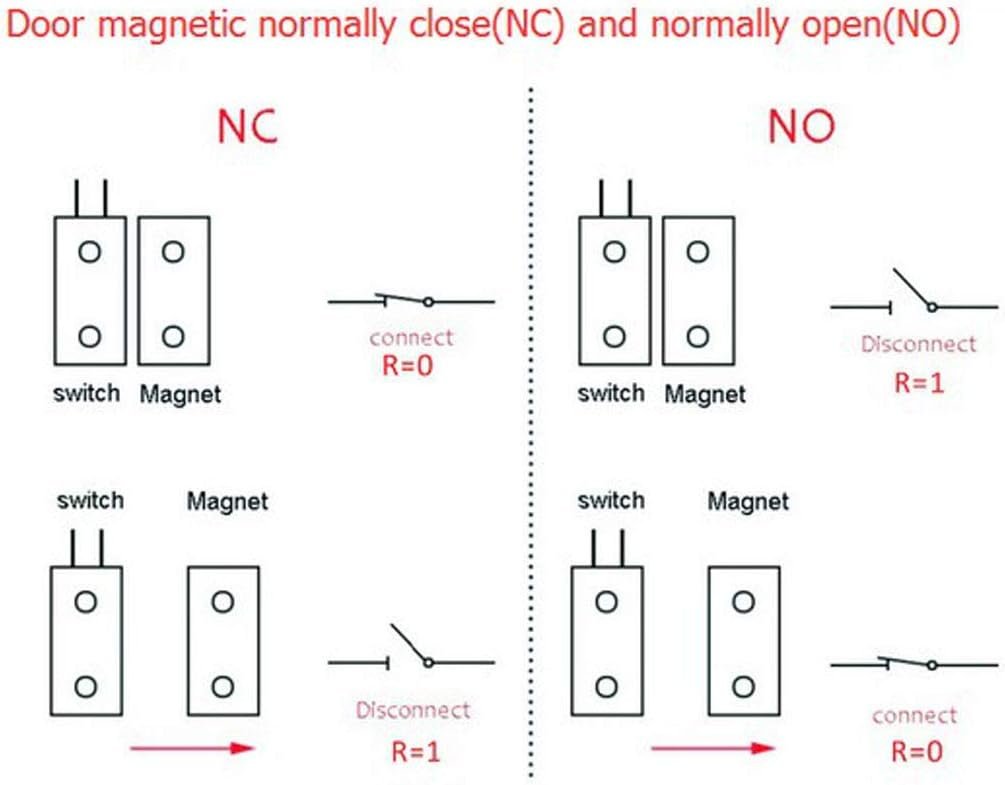
The sensor includes two components – a magnetic reed switch and a magnet. When the door is closed, the magnet keeps the circuit closed. When the door opens and the magnet separates from the sensor, the circuit breaks and sends a signal to the alarm panel.
This model operates in Normally Closed (NC) configuration, which is commonly used in wired security alarm systems for reliable intrusion detection.
With a compact design and strong ABS casing, the DH-32 door contact is suitable for installation on wooden doors, aluminum doors, metal doors, and windows in residential and commercial environments.
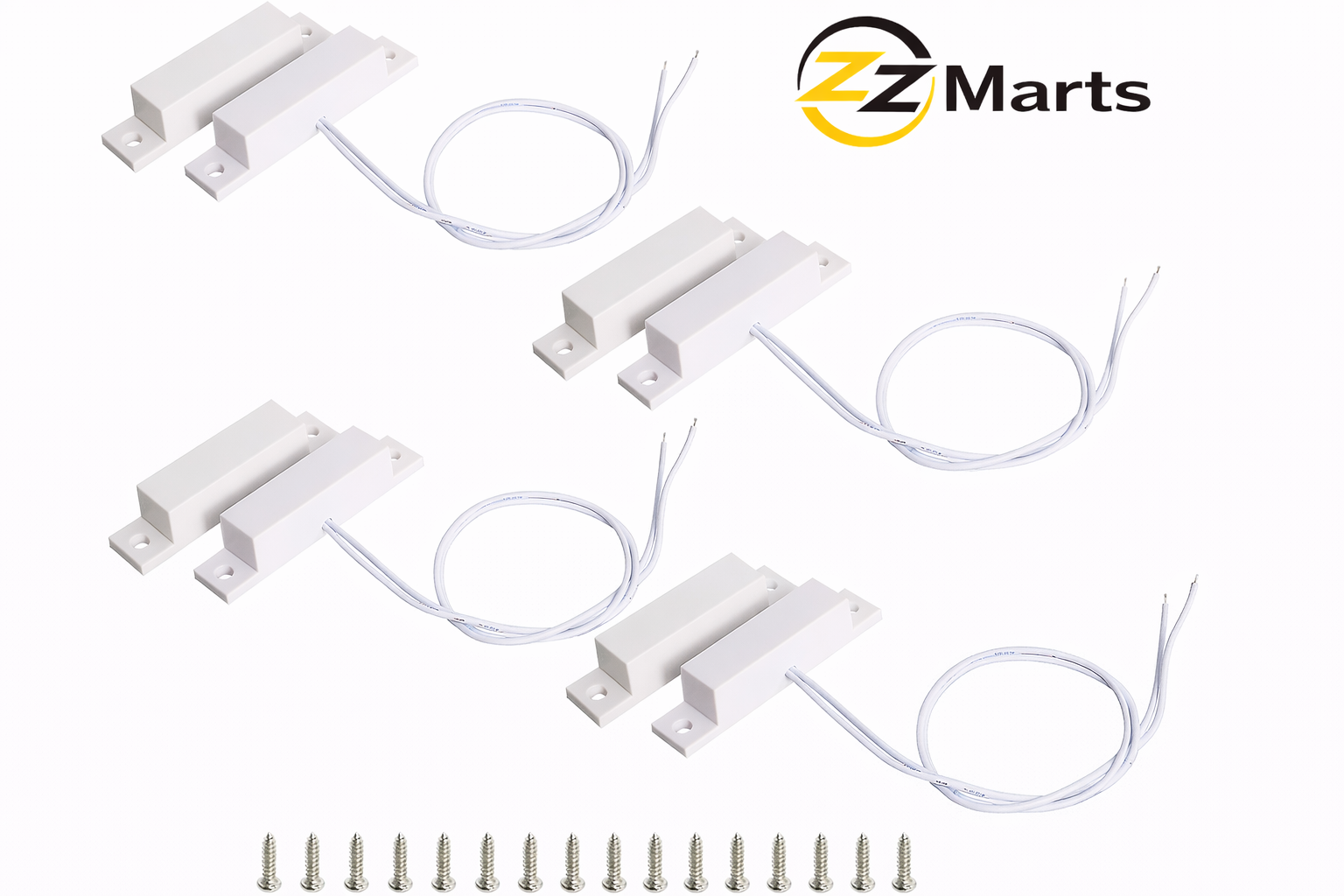
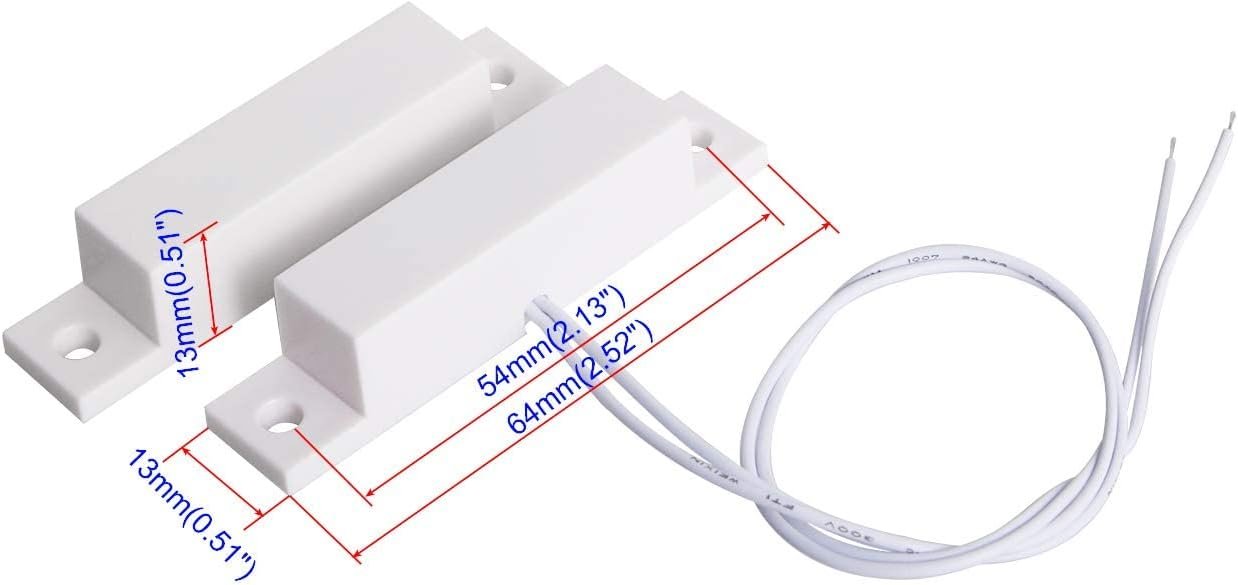
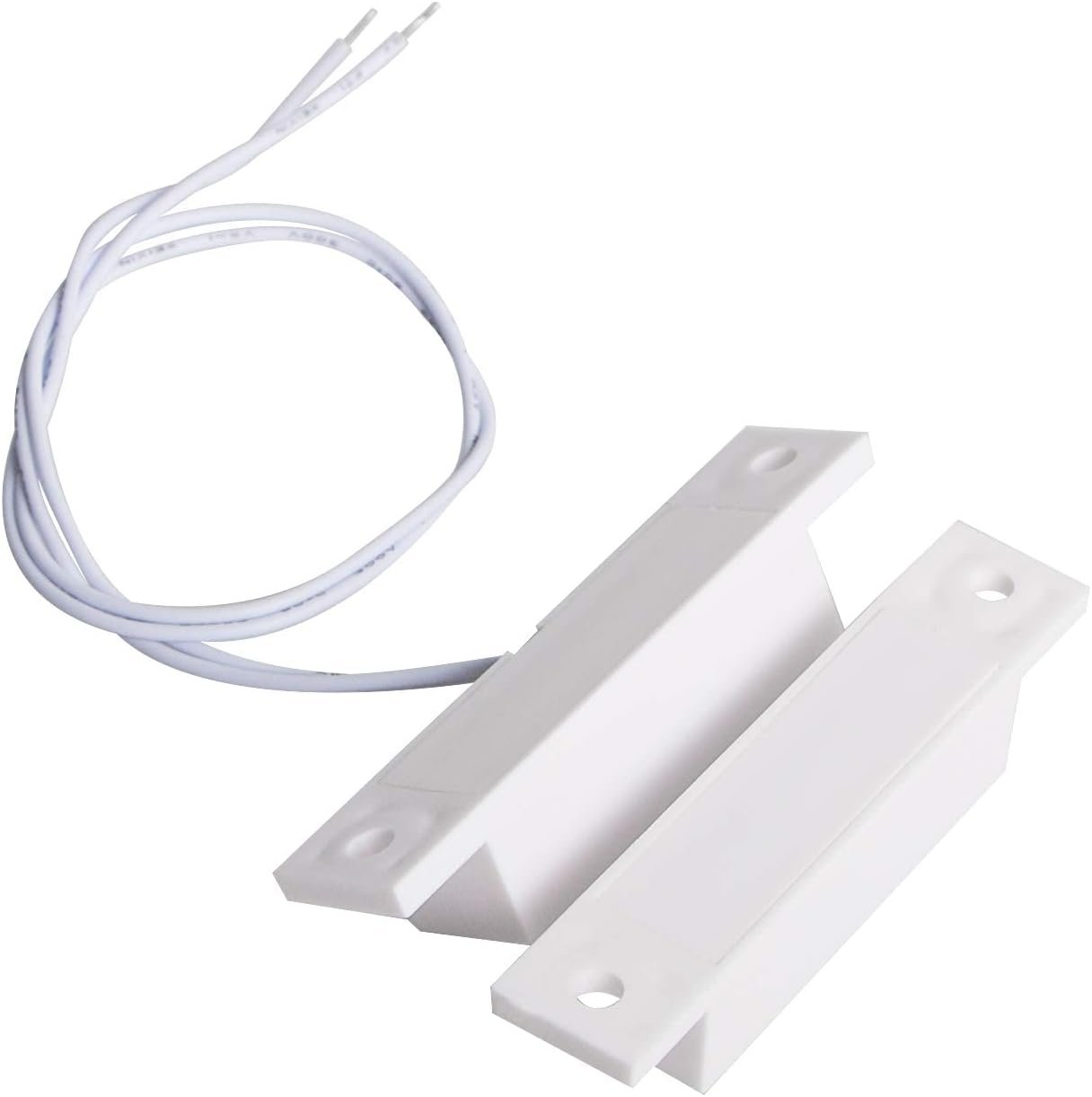
The standard surface mount door contact. The DH-32 is a wired magnetic contact that screws onto the door frame with the matching magnet on the door. It is the workhorse of alarm installation: inexpensive, quick to fit, and reliable for years. Where a recessed contact needs drilling into the door edge, this one mounts on the surface in a couple of minutes, which makes it the practical choice for retrofits and for doors you would rather not drill into.
When surface mount is the right answer. Choose it when you are adding an alarm to an existing building rather than installing during construction, when the door is metal or aluminium and drilling is impractical, when the door is hollow core and cannot take a recessed body, or simply when speed matters and appearance does not. Store rooms, godowns, back doors, office interior doors, and shop premises are all typical.
How the magnetic contact works. The sensor housing contains a reed switch, two sealed metal contacts in glass, and the other half is a magnet. With the door closed the magnet holds the reed switch in one state; opening the door removes the magnetic field and the switch changes, signalling the alarm panel. Nothing physically moves, so there is no wear, and the sealed switch is unaffected by the dust that is a fact of life in most Pakistani premises.
NC contact and cable tamper protection. This is a normally closed contact, the standard for security work. With the door shut, the circuit is complete. Opening the door breaks it and triggers the alarm, and so does cutting the cable. That is the point: an intruder cannot disable the sensor quietly by snipping the wire, because doing so produces exactly the same alarm as opening the door. If someone offers you NO contacts for an alarm zone, ask why.
Fitting it well. Mount the sensor body on the fixed frame and the magnet on the door, aligned directly opposite each other, and keep the closed gap comfortably within the rated distance rather than at its outer limit. Fit on the hinge side edge where practical, because that part of the door moves least and holds alignment best. On metal doors and frames, if detection becomes unreliable, mount both halves on thin non-metallic spacers to lift them off the steel, since metal distorts the magnetic field.
Alignment causes nearly every callback. When a contact stops working properly, the sensor has rarely failed. Doors settle on their hinges, timber swells in monsoon humidity and shrinks in dry heat, and a contact fitted at the edge of tolerance drifts out of range. Fitting centred, and re-checking a few weeks after installation, prevents most problems.
Cabling and connecting to the panel. Run the cable from the frame side, never to the moving door leaf, and keep it inside conduit. An exposed contact cable is both a durability weakness and a security one. Terminate on an alarm panel zone with the correct end of line resistor if your panel monitors circuit integrity, and label the cable at the panel so future maintenance is simple.
No batteries, no WiFi dependency. A wired contact takes its power from the alarm panel, so there is nothing to replace and nothing to quietly go flat. It does not need a router, WiFi, or internet, which means the door stays monitored during load shedding for as long as the panel has its backup battery. That is the main practical argument for wired contacts over wireless sensors on doors that matter.
Wired or wireless? Use wired where the door is part of a real security system that must keep working regardless of connectivity, and where you can run cable. Use a wireless Tuya sensor where you want phone notifications, cannot run cable, or are renting. Many premises sensibly use wired contacts on perimeter doors and wireless sensors on internal ones.
How many do I need? One per door, covering every external door and any internal door protecting stock, cash, or records. Contacts are among the cheapest parts of an alarm system, and an uncovered door is simply the route an intruder will take.
Will it work on a metal door? Usually yes, with non-metallic spacers if needed. For steel rolling shutters, use a dedicated shutter contact instead, which is built for the wider and less consistent gap.
Does it need its own power supply? No. It is powered by the alarm panel it connects to.
What is the difference from the recessed DH-35 and DH-36? Those fit inside the door and are invisible when closed, which looks better and resists tampering, but require drilling. This one mounts on the surface and installs far faster.
Buying from ZZ Marts. In stock at our Karachi (Saddar) and Lahore stores with nationwide delivery, supplied by Zam Zam Traders, trading in security hardware since 2005. We also stock recessed contacts, rolling shutter contacts, wireless Tuya door sensors, alarm panels, sirens, relay modules, and cabling. Tell us how many doors you are covering and what panel you are using, and we will quote the complete job.
Technical Specifications
Product Type: Magnetic Door Contact Sensor
Model: DH-32
Contact Type: NC (Normally Closed)
Operating Voltage: Up to 100V DC/AC
Max Switching Current: 0.5A
Max Power Load: 10W
Operating Gap: 15–25 mm
Material: ABS Plastic
Connection Type: Wired (2 Wire)
Installation Type: Surface Mount
Usage: Indoor
Application: Alarm & Security Systems
🎯 Applications
Home Security Systems
Burglar Alarm Systems
Access Control Systems
Office Doors
Window Security
Warehouses
Commercial Buildings
Smart Alarm Installations
FAQs
Q1: What does NC mean in door contact sensors?
NC means Normally Closed – the circuit remains closed when the door is shut.
Q2: How does the DH-32 door contact work?
When the door opens and the magnet moves away, the circuit breaks and triggers the alarm.
Q3: Can it be used for windows?
Yes, it can be installed on both doors and windows.
Q4: Is it compatible with alarm systems?
Yes, it works with most wired burglar alarm and security systems.
Q5: Is installation complicated?
No, it is a simple surface-mount sensor installed using screws.










Reviews
There are no reviews yet.