Description
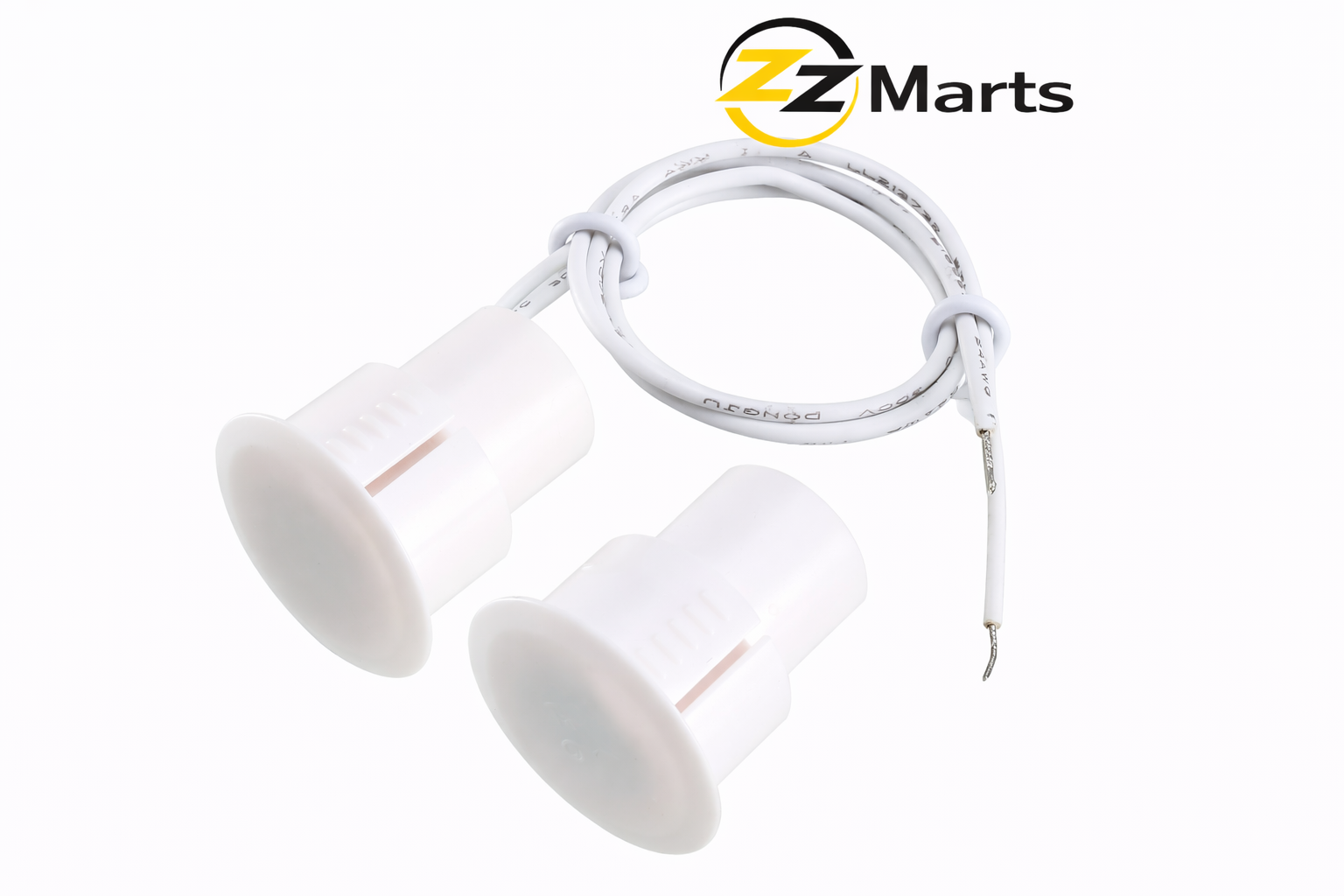
The DH-36 Recessed Door Contact Sensor is a wired magnetic security sensor designed for alarm systems to detect door or window opening.
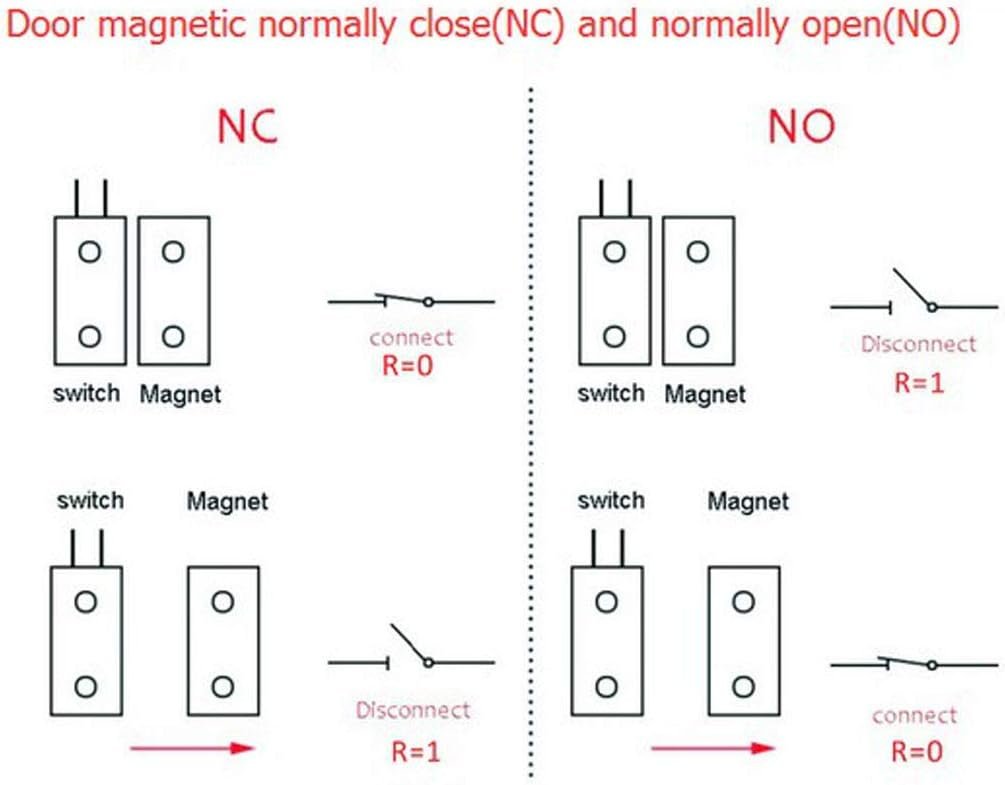
Unlike surface-mount sensors, the recessed design allows the sensor and magnet to be installed inside the door frame, making it almost invisible and more secure. When the door is closed, the magnet keeps the circuit closed. When the door opens and the magnet moves away, the circuit breaks and sends a signal to the alarm system.
This type of magnetic contact is widely used in home security systems, burglar alarms, and access control installations to monitor entry points. Recessed sensors typically operate with a small detection gap and connect to alarm panels through wired connections.
The DH-36 model is ideal for wooden doors, windows, cabinets, and security doors where a hidden sensor installation is preferred.
A discreet recessed door contact for alarm systems. The DH-36 is a wired magnetic reed switch sensor that fits inside the door and frame rather than on the surface. When the door is shut, nothing is visible. It performs the same job as any door contact, telling your alarm panel whether the door is open or closed, but does it without an intruder ever seeing that the door is monitored.
How a reed contact works. The sensor half contains a reed switch, two thin metal contacts sealed in glass. The other half is a magnet. While the magnet sits close, it holds the reed switch in position; move it away by opening the door and the switch changes state. Because nothing physically moves and the switch is sealed, reed contacts last for many years and are unaffected by dust, which is why they remain the standard for door monitoring.
Where it suits. Wooden and composite doors in homes, offices, clinics, and shops where a wired intruder alarm is being installed and appearance matters. It is a standard component in professional alarm installations across Pakistan and is generally fitted on the main entrance and any internal door protecting something worth protecting.
NC wiring is what makes it secure. This is a normally closed contact. Current flows continuously while the door is closed, and opening the door breaks the circuit. That design means the alarm also triggers if someone cuts the cable, so tampering is detected rather than silently defeating the sensor. Normally open contacts do not offer this protection, which is why NC is standard for alarm work.
Installation notes. Drill the frame for the sensor body and the door edge for the magnet, aligning both so they sit directly opposite each other when the door closes. Mount on the hinge side edge where you can, since that section of the door moves least. Keep the closed gap comfortably inside the rated operating distance rather than at its limit, which gives you margin as the door swells and shrinks through the year. Check depth carefully on hollow core doors before drilling.
Alignment is behind almost every fault. When a door contact starts reporting incorrectly, alignment has usually drifted rather than the sensor having failed. Timber doors move noticeably between monsoon humidity and dry summer heat. Fitting with the halves centred and re-checking after a few weeks prevents most of the problems installers get called back for.
DH-35 or DH-36, which do you need? Both are recessed NC reed contacts and both do the same job. They differ in body dimensions and operating gap, so the right one depends on your door thickness and how closely the door sits to the frame when shut. Tell us the door type and we will confirm which fits rather than leaving you to guess.
Recessed or surface mount? Choose recessed for appearance and tamper resistance on quality wooden doors, and where you are installing rather than retrofitting. Choose surface mount when you cannot drill, when the door is metal, or when speed of installation matters more than looks.
Cabling and panel connection. Run the cable from the frame side in conduit back to the alarm panel and terminate on a zone, using the correct end of line resistor if your panel monitors circuit integrity. Never route cable to the moving door leaf. Label both ends so future work is straightforward.
No batteries and no dependence on internet. Being wired, it takes power from the alarm panel, so there is nothing to replace and nothing to fail unnoticed. It does not need WiFi, a router, or an internet connection, so it continues protecting the door through load shedding provided the panel has its backup battery. That reliability is the main reason to choose wired contacts over wireless on doors that genuinely matter.
Does it work with any alarm panel? Yes, with any panel accepting standard NC zone inputs, which is effectively all conventional intruder alarm panels.
Can it be used on aluminium or metal doors? Metal interferes with magnetic fields and is harder to drill cleanly. For those doors we normally recommend a surface mount or dedicated metal door contact.
How many doors should be covered? Every external door, plus any internal door protecting stock, cash, records, or equipment. Contacts are a small part of the total system cost and an uncovered door is the one that gets used.
Buying from ZZ Marts. Available at our Karachi (Saddar) and Lahore stores with delivery across Pakistan, supplied by Zam Zam Traders, trading in security hardware since 2005. We also stock surface mount contacts, rolling shutter contacts for steel doors, wireless Tuya door sensors, alarm panels, sirens, and cabling. Tell us how many doors you need covered and we will quote the whole installation, not just the sensors.
Technical Specifications
Product Type: Recessed Magnetic Door Contact Sensor
Model: DH-36
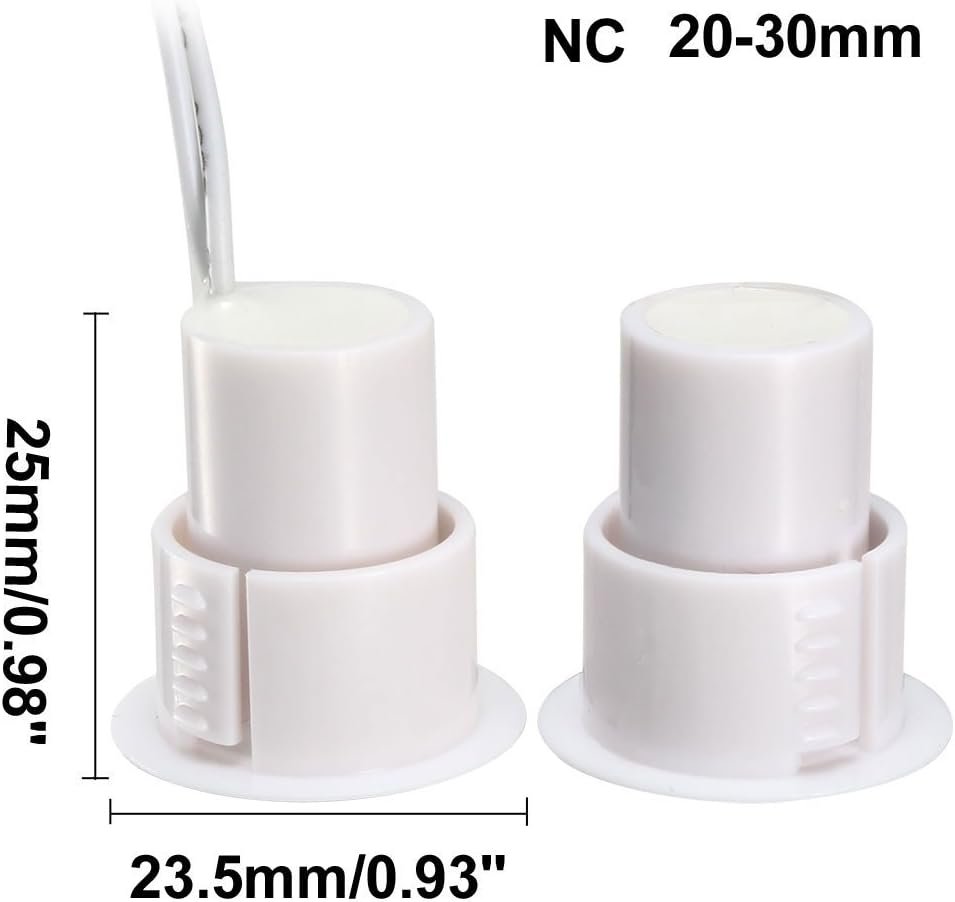
Contact Type: NC (Normally Closed)
Operating Voltage: Up to 100V DC/AC
Max Switching Current: 0.5A
Max Power Load: 10W
Detection Gap: Approx. 10–20 mm
Material: ABS Plastic
Connection Type: Wired
Installation Type: Recessed / Flush Mount
Color: White
Application: Alarm & Security Systems
🎯 Applications
Home Security Systems
Burglar Alarm Systems
Office Doors
Window Security
Warehouses
Commercial Buildings
Access Control Systems
Smart Alarm Installations
FAQs
Q1: What does recessed door contact mean?
It means the sensor is installed inside the door frame, making it hidden and secure.
Q2: What does NC mean?
NC (Normally Closed) means the circuit stays closed when the door is shut.
Q3: Can it be used on windows?
Yes, it works for both doors and windows.
Q4: Is it compatible with alarm systems?
Yes, it works with most wired burglar alarm panels.
Q5: Is installation difficult?
A small hole must be drilled in the door frame for recessed installation.










Reviews
There are no reviews yet.