Description
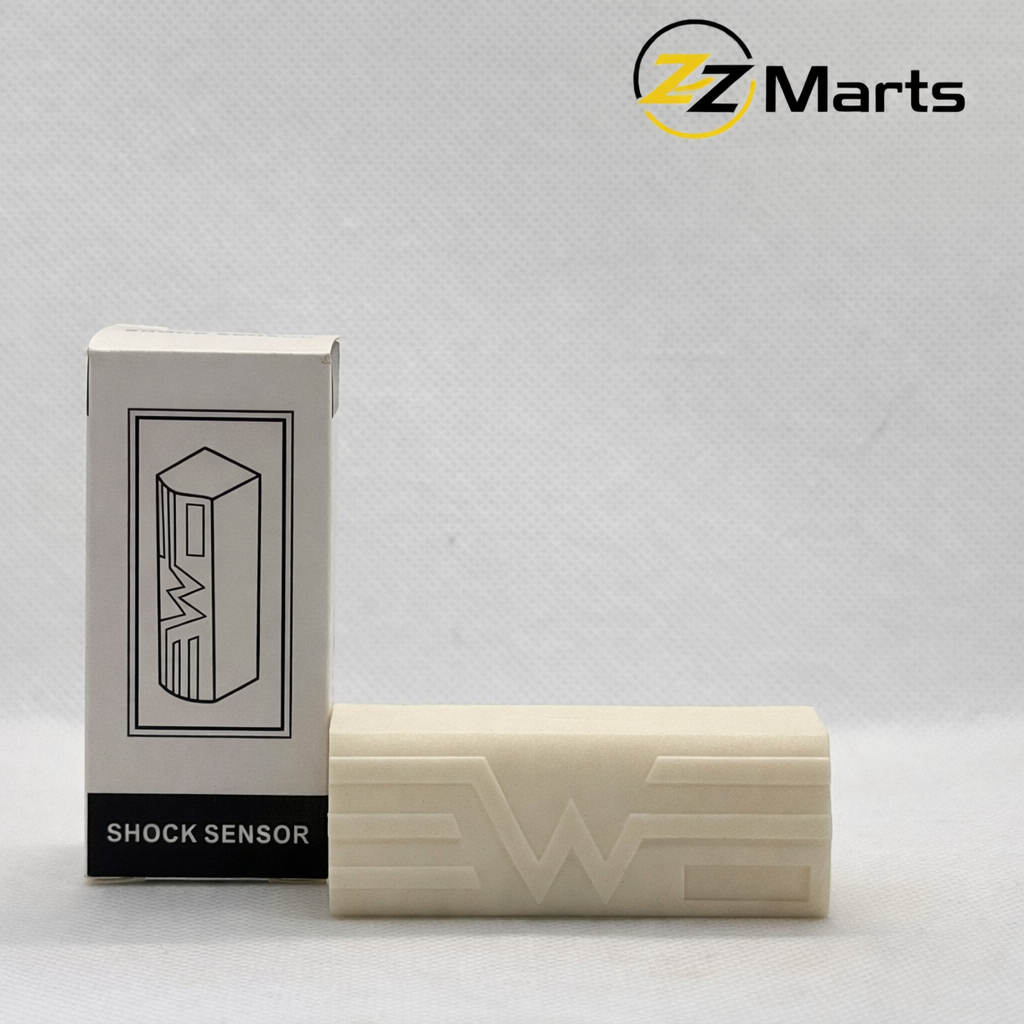
The Shock Sensor / Vibration Detector is a reliable wired intrusion detection device designed to sense physical impacts, vibrations, and forced entry attempts. It is commonly installed on doors, windows, walls, safes, shutters, and glass panels to detect tampering before an intruder fully enters.
When vibration or shock is detected, the sensor instantly sends a signal to the connected alarm control panel, triggering an alert. Its adjustable sensitivity allows installers to customize detection levels based on the installation surface, helping reduce false alarms.
With a slim and discreet housing, the shock sensor blends easily into residential and commercial environments. It is widely used in homes, offices, shops, banks, warehouses, ATMs, and security systems as an added layer of perimeter protection.
Electrical & Contact Details
-
Operating Voltage: DC 9V – 16V
-
Alarm Output: NC / NO (panel dependent)
-
Detection Type: Vibration / Shock
Detects the attempt, not just the entry. A shock or vibration sensor responds to impact, knocking, drilling, and prying on the surface it is mounted to. That makes it fundamentally different from a door contact, which only reports once the door is already open. A shock sensor triggers while someone is still trying to get in, which is the warning that actually gives you time.
Where it earns its place. Mounted on window glass or frames, shop shutters, safes and strongboxes, display cabinets, storeroom doors, and ATM or cash handling enclosures. It is especially valuable on glass, since a door contact does nothing if an intruder breaks the pane and climbs through without ever opening the window.
Use it alongside contacts, not instead of them. The two sensors answer different questions. A magnetic contact tells you the door or window was opened. A shock sensor tells you someone is attacking it. Serious installations use both on high risk openings, which is why shop fronts and storerooms commonly carry a contact plus a shock sensor on the same shutter.
Setting sensitivity, which decides everything. Sensitivity is adjustable and getting it right is the whole job. Too high and passing lorries, slamming doors, wind, and thunder will trigger it repeatedly until someone disables the zone. Too low and a determined attempt goes undetected. Set it, then test it realistically by knocking on the surface as an intruder would, and adjust from there. Premises on a main road need noticeably lower sensitivity than a quiet interior room.
Mounting. Fix it firmly to the surface you are protecting, since a loosely mounted sensor absorbs the vibration it is meant to detect. On glass, mount on the pane or immediately adjacent frame. Keep it discreet where possible; a visible sensor tells an attacker exactly what they are dealing with.
Wired, and why that suits here. Being wired into the alarm panel, it needs no batteries and cannot be jammed. Run the cable in conduit back to the panel and wire it as a normally closed zone so that cutting the cable also triggers the alarm rather than silently disabling the sensor.
Load shedding. It draws power from the alarm panel, so with a backup battery at the panel it keeps working through outages.
Will it false alarm from traffic or thunder? Only if sensitivity is set too high. Adjust it to the actual environment and test properly after installation.
Does it work on glass? Yes, and that is one of its most valuable applications, since breaking glass does not trigger a magnetic contact.
Does it need its own power supply? No, it takes power from the alarm panel.
Buying from ZZ Marts. In stock at our Karachi (Saddar) and Lahore stores with nationwide delivery, supplied by Zam Zam Traders since 2005. We also stock wired and wireless door contacts, PIR detectors, rolling shutter contacts, perimeter beam sensors, alarm panels, sirens, and cabling. Tell us what you are protecting and we will advise on sensor combination and sensible sensitivity.
Technical Specifications
-
Product Type: Shock / Vibration Sensor
-
Sensor Technology: Mechanical vibration detection
-
Installation: Surface mount
-
Usage: Indoor
-
Color: White
-
Application: Wired intrusion alarm systems
FAQs
Q: What does a shock sensor detect?
It detects vibration, impact, and physical tampering.
Q: Where can this sensor be installed?
On doors, windows, glass, walls, safes, or shutters.
Q: Is sensitivity adjustable?
Yes, sensitivity can be adjusted during installation.
Q: Does it work with alarm panels?
Yes, compatible with most wired alarm systems.
Q: Is it suitable for glass protection?
Yes, commonly used for glass and window security.
Applications / Use Cases









Reviews
There are no reviews yet.